
Tune In to Your Somatic Sense
A hidden
acupuncture studio
in South park, San Diego
A space to slow down,
reconnect with your body.
Wellness & Acupuncture
From pain management to deeper holistic care, we make feeling well light and natural.
-
Initial Appointment
A two hour session with a thorough consultation, acupuncture, and bodywork for a custom therapeutic experience to discover what helps you feel your best.
Successive Appointments
A 100-minute session with your customized acupuncture and bodywork treatments created during your initial appointment.
-
Initial Appointment
A 70-minute acupuncture-only session.
Great for pain management or symptom-focused care.
Successive Appointments
A 60-minute acupuncture-only session.
Great for long term pain management or symptom-focused care.
-
It's a holistic skin rejuvination treatment from Eastern medical approach, designed to cultivate healthy skin.
Rather than chasing quick fixes, I focus on enhancing the skin’s natural ability to renew and repair, ensuring a natural glow.
Your Experience
• Facial Acupuncture and Lymphatic drainage on Neck
• Scalp Acupuncture
• Acupuncture to Address Gut Health
• Add-ons: Herbal Consultation Available Upon Request
-
Coming soon! Microneedling session with TCM holistic approach. For acne scars, glow, and hair restoration.

Ready to Feel Lighter?
Find a time that works for you, and make space for yourself.
Your Body Speaks.
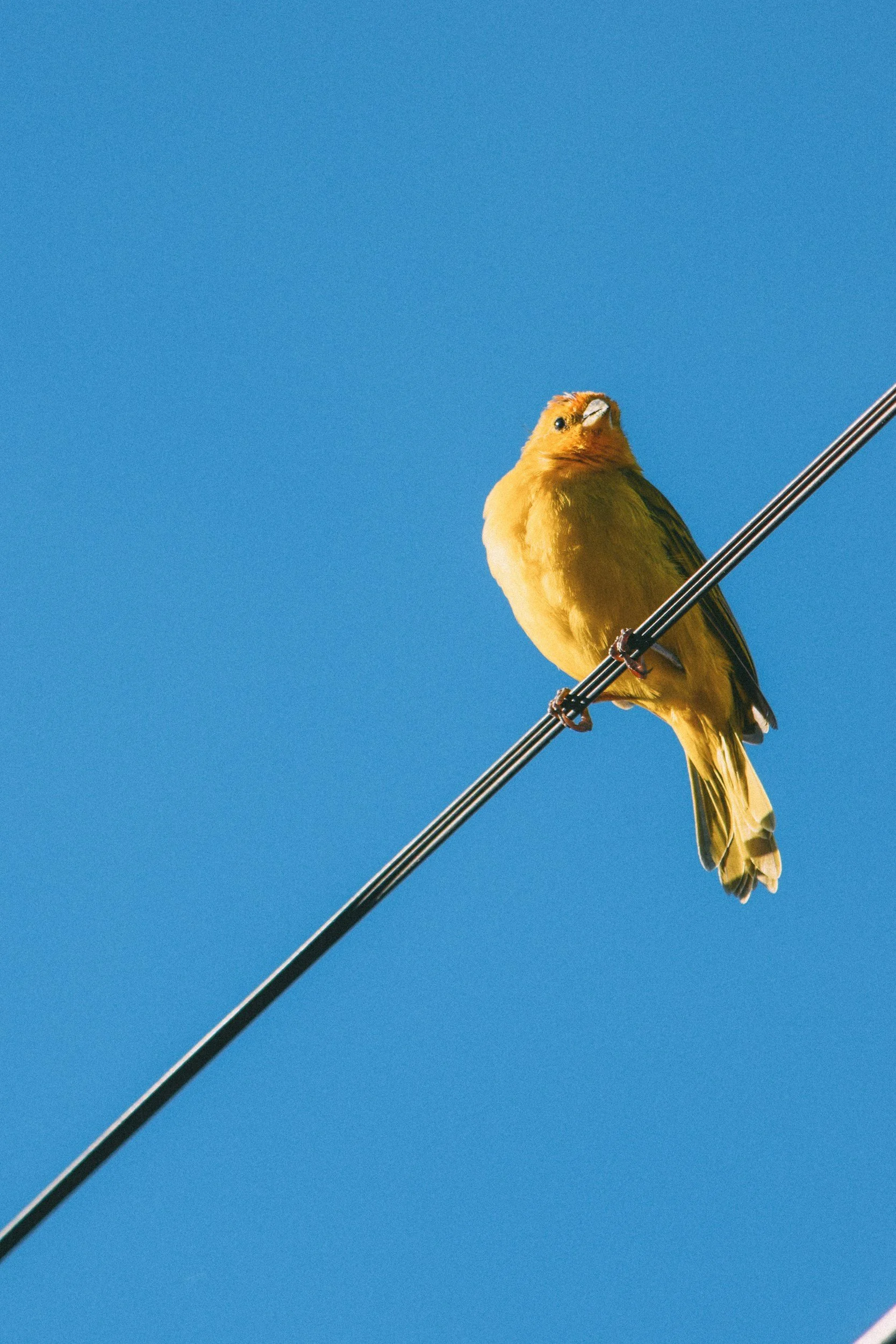
Do you know about the canary in the coal mine?
Miners once brought canaries underground because they were sensitive to toxic gases. Changes in their behavior could signal danger, helping miners recognize invisible threats before it’s too late.
Our bodies have their own signals, too. Pain, discomfort, uneasiness… Like the canary’s song, they speak to us quietly. Yet in modern life, we often find ways to turn down the volume - busy schedules, distractions, and simply pushing through.
Let’s listen to what your body wants to tell you before it gets too loud.
Aculei is where you tune in to your body and take a proactive approach to your whole self.